

Measures to Prevent the Spread of Coronavirus
7 May, 2022The coronavirus that has spread worldwide, including in Bangladesh, is called COVID-19. This virus can spread from an infected person to a healthy person through sneezing or coughing.
When a healthy person inhales the tiny droplets released from the sneezing or coughing of an infected person through breathing, or transfers them to the mouth by touching with hands, the coronavirus infection can spread to their body as well.
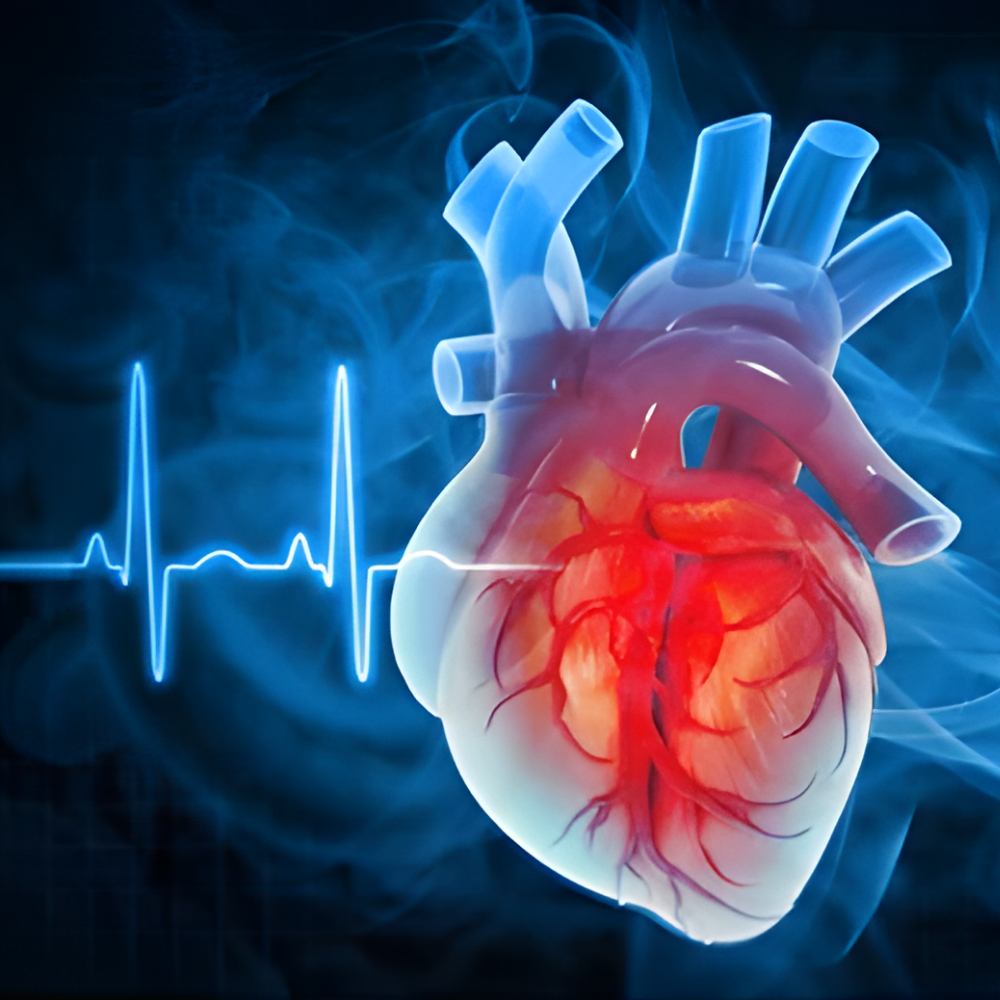
What is heart disease, and why does it occur?
29 May, 2022Heart failure is a complex condition. When the heart is unable to function properly, heart failure occurs. In heart failure, the heart cannot pump blood effectively through contraction, resulting in fluid accumulation in the lungs, legs, and abdomen. Heart failure may occur suddenly or develop gradually over time.
The heart contracts and relaxes 60 to 100 times per minute to deliver oxygen-rich blood and nutrients to every cell of the body. At the same time, it sends impure blood to the lungs for purification. For every organ in the body to survive, the heart must remain healthy. The heart receives its own required nourishment through three coronary arteries. When the heart fails to perform its function properly, it is called heart failure, commonly known as “heart fail.”
Timely and appropriate measures are essential in cases of heart failure or cardiac dysfunction. Many people mistakenly consider heart attack and heart failure to be the same condition. Heart attack and heart failure are different problems, although one can lead to the other. In some cases, both may occur simultaneously.
Causes of Heart Failure
Heart attack (myocardial infarction, unstable angina), anemia, viral infections of the heart, thyroid disorders, pericardial diseases, systemic diseases, etc.
Factors that can worsen heart failure when heart disease is already present:
1. Myocardial ischemia/infarction
2. Infection
3. Cardiac arrhythmias such as atrial fibrillation
4. Diabetes
5. Inadequate treatment of heart failure
6. Medications that cause fluid retention, such as painkillers and steroids
7. Pregnancy, anemia, and thyroid disorders
8. Excessive fluid administration
Symptoms of Heart Failure
1. Shortness of breath
2. Excess fluid in the body or edema
3. Cough
4. Feeling weak
5. Excessive urination at night
6. Loss of appetite, nausea
7. Chest pain
8. Presentation with complications such as kidney failure, electrolyte imbalance, liver problems, stroke, and cardiac arrhythmias
Measures to Prevent Heart Failure
1. Avoid smoking/tobacco/jarda/snuff
2. Properly control intake of all types of raw and fried foods
3. Maintain proper control of high blood pressure and diabetes, if present
4. Engage in physical activity
5. Avoid stress and excitement
6. Seek prompt treatment for any infection
7. Correct anemia
8. Maintain ideal body weight
9. Consume a balanced diet
10. Get adequate sleep and rest
11. Follow a healthy lifestyle

Late Suresh Chandra Saha
Founder of J D PATHOLOGICAL LABORATORY CLINIC


J D PATHOLOGY & CT SCAN CENTER
It has earned a strong reputation since its inception by ensuring accurate healthcare services.
| Saturday: 8 AM to 10 PM |
| Sunday: 8 AM to 10 PM |
| Monday: 8 AM to 10 PM |
| Tuesday: 8 AM to 10 PM |
| Wednesday: 8 AM to 10 PM |
| Thursday: 8 AM to 10 PM |
| Fridayday: 7 AM to 10 PM |