
Ear, Nose, and Throat Specialist and Head-Neck Surgeon

Although illnesses do not necessarily increase during the winter, the prevalence of certain diseases rises. Among these are cold and cough, breathing difficulties, as well as diseases of the ear, nose, and throat. It can be said that people of all ages, from children to the elderly, are affected by these diseases.
Here are some tips to stay healthy and avoid common winter-related ear, nose, and throat problems:
Tonsillitis or Sore Throat
During winter, sore throat may worsen due to severe inflammation of the tonsils.
Severe inflammation causes throat pain, fever, and difficulty swallowing. Bacterial tonsillitis requires antibiotics as prescribed by a doctor. If the sore throat is caused by a virus, gargling with salt water and taking paracetamol-type medicines can help. Sometimes cold exposure can cause infection in the vocal cords or change the voice. In such cases, taking antihistamines and inhaling menthol vapor can be beneficial. Excessive cold exposure can cause respiratory infections in children, even pneumonia. Therefore, children, the elderly, and people with weak immunity should seek medical attention promptly if exposed to excessive cold.
Adenoid
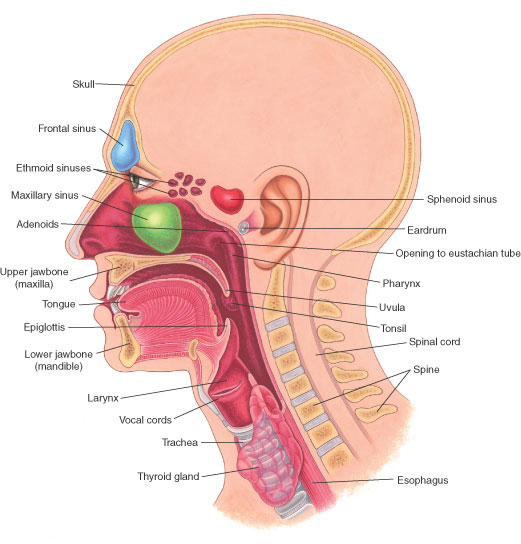
Adenoid problems mostly affect children. The adenoid is a type of tonsil located behind the nose in children. When the adenoid enlarges, it blocks the nose, causing breathing difficulties. Children cannot breathe through their noses, often keep their mouths open, snore during sleep, or breathe through their mouths. Some children may have excessive saliva, reduced hearing, and decreased intellectual capacity. This problem not only causes physical difficulties but also affects mental development.
If any child shows such symptoms, it is important to consult an ear, nose, and throat specialist immediately. If medication does not help, surgery may be required to remove the adenoid. If there is a problem with the ear, it can also be treated during the same operation. Many parents fear surgery, but in Bangladesh, adenoid surgeries now have a 100% success rate and children recover fully.
Middle Ear Infection in Children
Middle ear infections are more common in children during winter. Usually, upper respiratory tract infections, tonsil infections, and enlargement of lymphoid tissue such as adenoid cause this inflammation. These symptoms increase during winter, leading to sudden middle ear infection. This condition causes severe ear pain and hearing loss. If not treated timely, the eardrum may rupture, resulting in chronic ear disease. Treatment is done with various medications.
Allergic Problems
If allergens such as dust, dirt, or vehicle smoke enter the nose, allergic inflammation can occur. Symptoms include sneezing, runny nose, and nasal congestion. This condition can be controlled by medication and by avoiding causes of cold and allergy in the nose.
Long-term nasal allergy can cause nasal polyps. Polyps look like grapes. Nasal polyps block the nose and may cause sinus infections and headaches. Surgery is the treatment for this problem. Conventional surgery carries the risk of recurrence, but modern endoscopic sinus surgery is highly successful. Currently, large hospitals in Bangladesh regularly perform endoscopic sinus surgeries.
Sinusitis
In winter, infection may occur in the sinuses located on both sides of the nose, called sinusitis. This causes pain on both sides of the nose and headaches. Diagnosis can be made through sinus X-rays. In acute cases, medication is effective. Chronic sinusitis may require washing and ultimately endoscopic sinus surgery, known as ‘sinus surgery.’
Pharyngitis
Many experience sore throat, fever, or dry cough during winter. These are symptoms of pharyngitis. Sometimes, many wake up unable to speak, with throat pain. This condition is caused by viral infection.
The first step to prevent pharyngitis is to avoid cold exposure. If affected, inhaling hot steam with menthol can help. Nasal drops and antihistamines are also beneficial. Avoiding speaking for some time can reduce the severity of this illness.
Some Recommendations
► Wear warm clothes during winter to avoid cold, especially for children and the elderly who need extra care.
► Seek early treatment if you catch a cold. This helps cure the disease quickly and prevents complications.
► Asthma patients should regularly take medication and use inhalers in winter, as colds, allergies, and asthma are related.
► Regular bathing helps prevent allergies. However, bathwater should be comfortably warm to avoid cold exposure.
► Dust particles increase in the air during winter, so it is better to go outside less. Always wear a mask when going out.
► Since sunlight intensity is lower in winter, sun exposure is limited. Still, try to get regular sunlight to help the body absorb vitamin D, which boosts immunity.
Doctors have at J D PATHOLOGY & CT SCAN CENTER's
Ear, Nose, and Throat Specialist and Head-Neck Surgeon department


Late Suresh Chandra Saha
Founder of J D PATHOLOGICAL LABORATORY CLINIC


J D PATHOLOGY & CT SCAN CENTER
It has earned a strong reputation since its inception by ensuring accurate healthcare services.
| Saturday: 8 AM to 10 PM |
| Sunday: 8 AM to 10 PM |
| Monday: 8 AM to 10 PM |
| Tuesday: 8 AM to 10 PM |
| Wednesday: 8 AM to 10 PM |
| Thursday: 8 AM to 10 PM |
| Fridayday: 7 AM to 10 PM |