
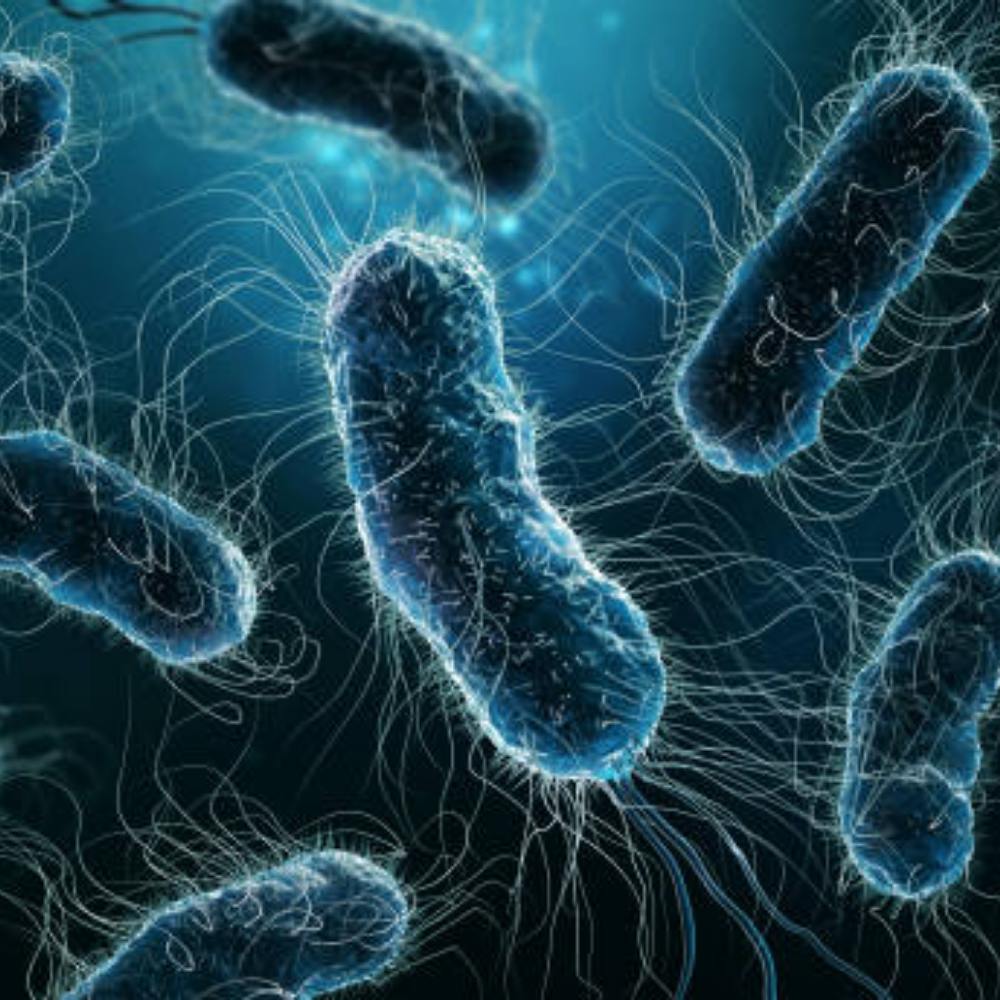
Microbiology
What is Microbiology?
Have you ever wondered—tiny bacteria can eat up huge humans, animals, or even big plants?
If they really do, then there must be a mystery behind it. That mystery is called Microbiology.
Microbiology is a branch of science that deals with tiny microorganisms (viruses, bacteria, algae, fungi, etc.).
It studies their distribution in nature, their interactions with each other, their relationship with other living beings, their effects on humans, animals, and plants, and their responses to physical and chemical agents in the environment. All these aspects are the study of microbiology.
Essentially, microbiology covers how vaccines and antibiotics are made from microbes, proteins, vitamins, and various enzymes production methods, which infectious diseases are caused by which microbes, how they cause diseases in living bodies, how they decompose dead bodies and produce odor, how they spoil food or cause food decay, and how food can be protected from microbial attacks.
Importance of Microbiology:
Antibiotics are produced from various fungi. For example, penicillin is produced from Penicillium notatum, and cephalosporin from Cephalosporium. Other antibiotics like polymyxin and subtilin are also produced from different fungi.
Vaccines for diseases such as cholera, typhoid, and tuberculosis are prepared from various bacteria. For instance, vaccines for DPT (Diphtheria, Whooping Cough, Tetanus) are prepared from bacteria such as Corynebacterium, Bordetella, and Clostridium.
Various enzymes are produced from different bacteria. For example,
Protease and lipase are produced from Bacillus species, which are used in detergent manufacturing. Lactase, used in candy production, is produced from Lactobacillus.
Thus, enzymes produced from various microbes play a significant role in different industries.
Various organic acids such as citric acid, oxalic acid, fumaric acid, and the medicine griseofulvin are mainly produced from the fungus Penicillium.
Agaricus bisporus (mushroom) is very nutritious, rich in vitamins and proteins, making it a very healthy food for humans. It has low sugar content, which is beneficial for diabetic patients. Additionally, it helps produce a large amount of insulin.
The anticancer drug “TAXOL” is produced from Taxomyces.

Late Suresh Chandra Saha
Founder of J D PATHOLOGICAL LABORATORY CLINIC


J D PATHOLOGY & CT SCAN CENTER
It has earned a strong reputation since its inception by ensuring accurate healthcare services.
| Saturday: 8 AM to 10 PM |
| Sunday: 8 AM to 10 PM |
| Monday: 8 AM to 10 PM |
| Tuesday: 8 AM to 10 PM |
| Wednesday: 8 AM to 10 PM |
| Thursday: 8 AM to 10 PM |
| Fridayday: 7 AM to 10 PM |